




MEERUT, UTTAR PRADESH – In the bustling industrial landscape of Western Uttar Pradesh, a sophisticated white-collar crime has sent shockwaves through the corridors of the tax department. The Directorate General of GST Intelligence (DGGI), Meerut Zonal Unit, has successfully dismantled a meticulously planned Goods and Services Tax (GST) evasion syndicate. This case serves as a stark reminder that in the era of Digital India, criminals have traded traditional weapons for keyboards and fraudulent invoices to hollow out the nation's economy.Read also:-मेरठ में 13.55 करोड़ का महा-GST घोटाला: 18 बोगस फर्मों के जरिए सरकार को लगाया चूना, मास्टरमाइंड 14 दिन की रिमांड पर
\r\n\r\n\r\n\r\n
In this high-profile Meerut GST fraud case, the central figure, Hardik Jain—proprietor of M/s Ascon Enterprises—has been apprehended. Allegations suggest he wove a web of 18 firms that existed nowhere but on paper. Through these non-existent entities, he allegedly claimed a fraudulent Input Tax Credit (ITC) of approximately ₹13.55 crore without a single actual physical movement of goods.
\r\n\r\n\r\n\r\n
On Wednesday, March 18, 2026, the Court of the Special Chief Judicial Magistrate, Meerut, ordered the accused to be sent to judicial custody for a 14-day remand. This report delves into the layers of this multi-crore scam, exploring how a "paper business" managed to deceive the system for so long.
\r\n\r\n
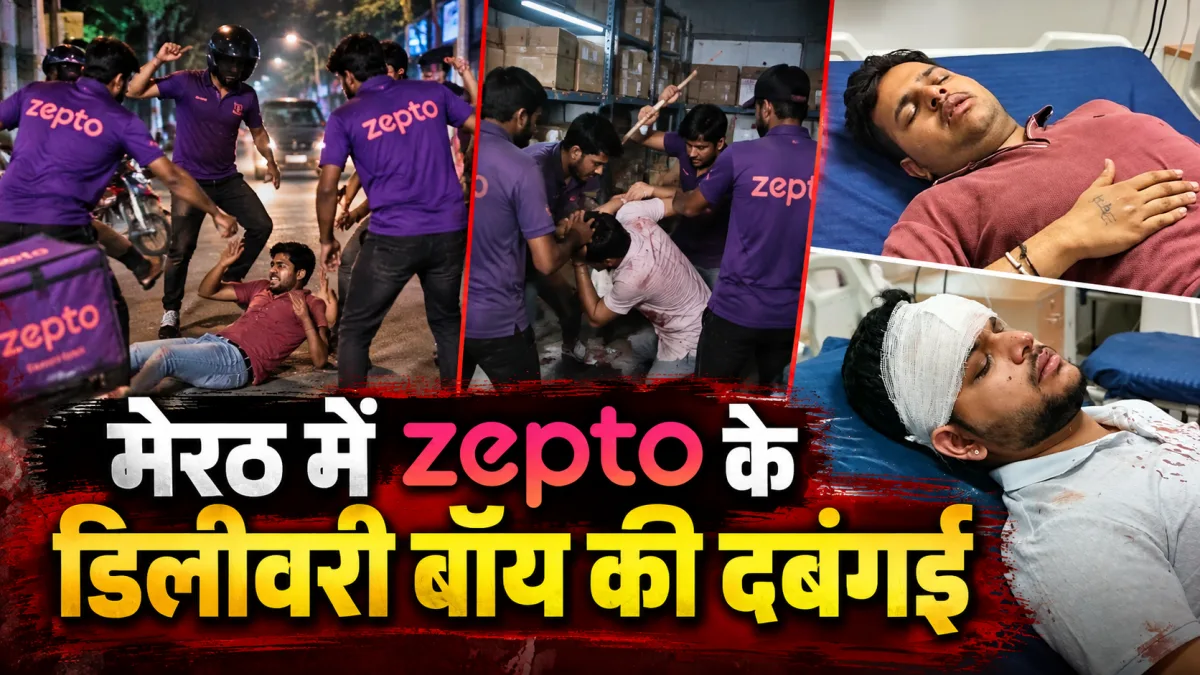 मेरठ में Zepto के डिलीवरी बॉय की दबंगई: स्कूटी टकराने पर दो भाइयों को सड़क पर पीटा, गोदाम ले जाकर भी की मारपीट; दोनों अस्पताल में भर्ती
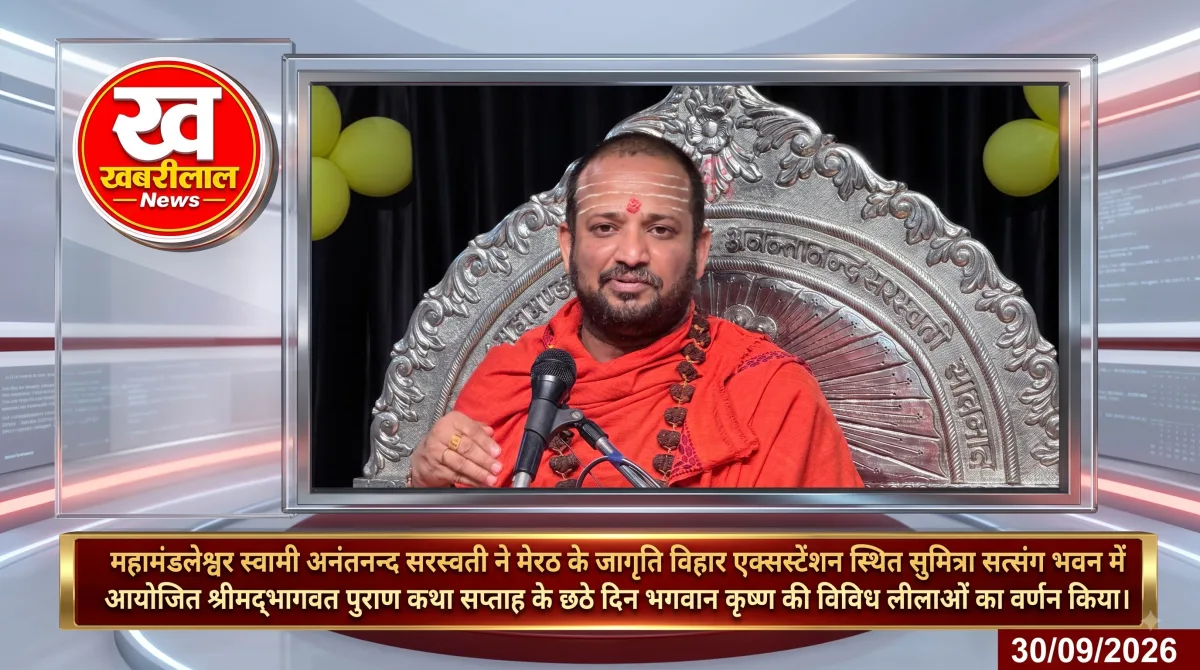
 Shrimad Bhagwat Katha: जागृति विहार के सुमित्रा सत्संग भवन में भागवत कथा ज्ञान यज्ञ का समापन, स्वामी अनंतानंद ने श्रीकृष्ण लीलाओं का आध्यात्मिक रहस्य बताकर किया मुग्ध
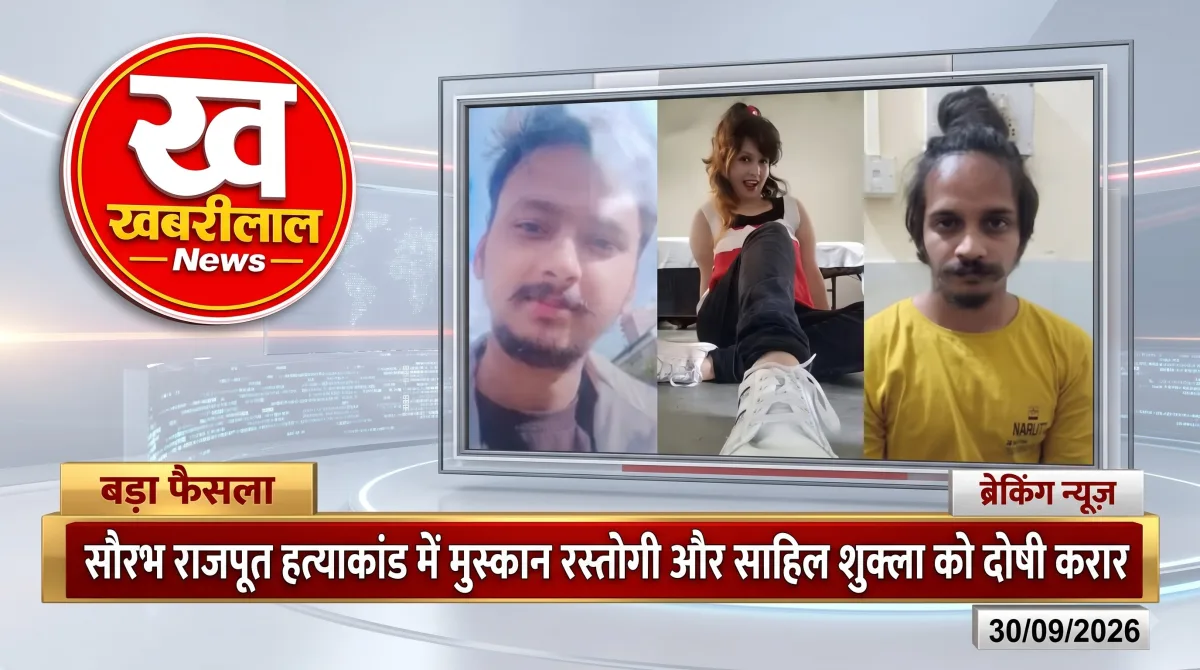
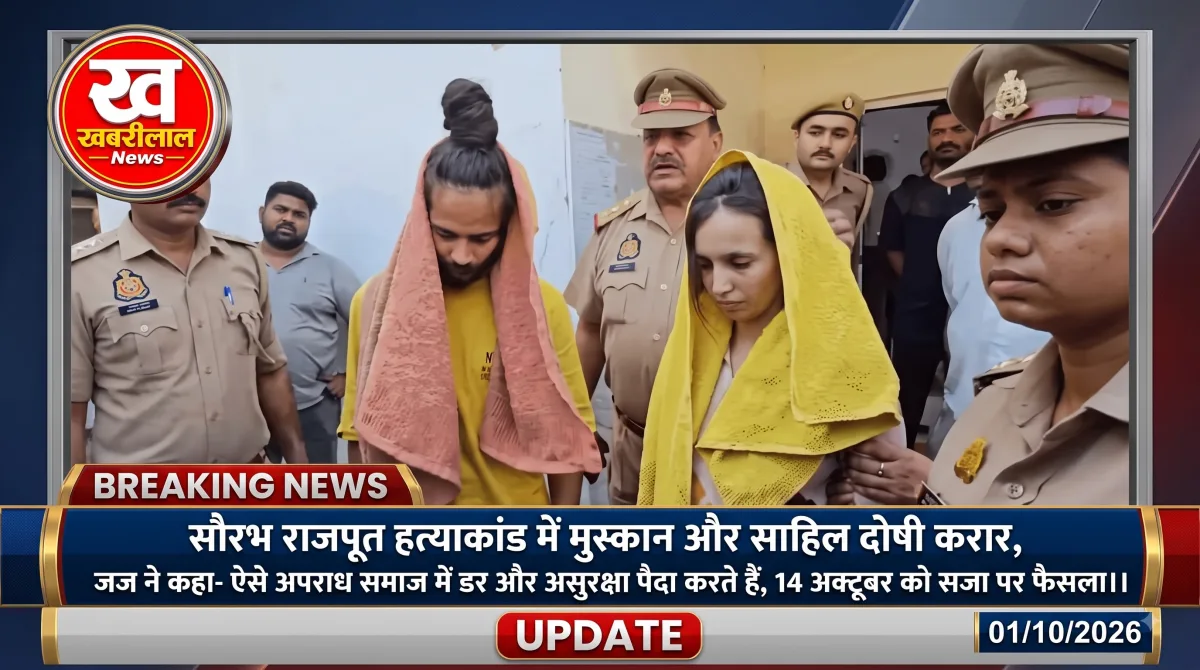 सौरभ राजपूत हत्याकांड में मुस्कान और साहिल दोषी करार, जज ने कहा- ऐसे अपराध समाज में डर और असुरक्षा पैदा करते हैं, 14 अक्टूबर को सजा पर फैसला
 Swachhata Abhiyan APS Meerut: आर्मी पब्लिक स्कूल मेरठ में स्वच्छता और जल संचय संवाद का भव्य आयोजन, पांच स्कूलों के 300 छात्रों ने लिया पर्यावरण संरक्षण का बड़ा संकल्प
1. The DGGI Strike: Unmasking the 'Paper Mastermind'
\r\n\r\nHardik Jain, a resident of 102 Brahmpuri near Ravi ki Chakki, Kabadi Bazar, operated his firm 'Ascon Enterprises' as a front for a massive tax evasion operation. While the storefront appeared legitimate to passersby, it functioned as a control center for generating fictitious financial trails.
\r\n\r\nFollow the Khabreelal News channel on WhatsApp Join › \r\n\r\n
The investigation was spearheaded by Inspector Samiksha Singh of the DGGI Meerut unit. Intelligence suggested that Ascon Enterprises was showing astronomical turnovers that did not align with its physical infrastructure. Upon a detailed audit of the firm's filings, investigators discovered:
\r\n\r\n\r\n\r\n
- \r\n
- \r\n The accused had not engaged in any actual supply of goods.\r\n \r\n
- \r\n The entire operation relied on fake invoices and bills.\r\n \r\n
- \r\n The Input Tax Credit was claimed through 18 firms that were either cancelled or functioned as bogus suppliers.\r\n\r\n\r\n \r\n
\r\n\r\n
2. The Illusion of 18 Non-Existent Firms: Reality at Ground Zero
\r\n\r\nThe most striking feature of this ₹13.55 crore scam was the use of 18 "shell companies". When DGGI teams descended upon the registered addresses of these firms for physical verification, the results were revealing:
\r\n\r\n\r\n\r\n
- \r\n
- \r\n Non-Existent Entities: At the registered locations, no offices or warehouses were found.\r\n \r\n
- \r\n Absence of Business Activity: Several sites showed evidence that no commercial activity had ever taken place there.\r\n \r\n
- \r\n Official Documentation: Officers prepared Panchnamas and visit reports for all 18 firms on-site, providing the primary evidence now being used in court.\r\n \r\n
\r\n\r\n
3. Courtroom Drama: Remand and Legal Volleys
\r\n\r\nFollowing his arrest at 9:08 AM on March 18, 2026, Hardik Jain was presented before the Special Chief Judicial Magistrate in Meerut. Case No. 416/2026 saw intense arguments from both the prosecution and the defense.
\r\n\r\n\r\n\r\n
The Prosecution's Demand
\r\n\r\nSpecial Prosecution Officer Shri Lakshya Kumar Singh and his associate, Advocate Mrs. Vandana Singh informed the court that this was a grave economic offense involving tax evasion exceeding ₹5 crore. He argued that a 14-day remand was essential to unmask the larger syndicate and recover the stolen funds.
\r\n\r\n\r\n\r\n
The Defense's Rebuttal
\r\n\r\nThe learned advocate for the accused raised oral objections to the remand. The defense argued that the department lacked concrete evidence regarding the ₹13.55 crore ITC benefit and requested the court to cancel the remand application.
\r\n\r\n\r\n\r\n
The Judicial Order
\r\n\r\nAfter a thorough review of the documents, the Magistrate observed that the allegations were of a serious nature. The court accepted the 14-day judicial remand for Hardik Jain and set the next hearing for March 31, 2026.
\r\n\r\n\r\n\r\n
4. Strict Legal Compliance: The Mihir Rajesh Shah Precedent
\r\n\r\nA notable aspect of this arrest was the rigid adherence to legal protocols. In line with the Supreme Court’s latest guidelines in Mihir Rajesh Shah vs. State of Maharashtra 2025, the accused was immediately provided with essential documents:
\r\n\r\n\r\n\r\n
- \r\n
- \r\n Grounds of Arrest: Explaining the specific reasons for the apprehension.\r\n \r\n
- \r\n Reason to Believe: The documented justification for the investigative action.\r\n \r\n
\r\n\r\n
Seizure Report: A detailed list of all items confiscated during the raid. Copies of these documents were personally handed to the accused at 9:25 AM—just 17 minutes after the arrest—ensuring full transparency.
\r\n\r\n\r\n\r\n
5. Technical Breakdown: How ITC Fraud Works
\r\n\r\nInput Tax Credit (ITC) is a mechanism designed to prevent double taxation, but it was exploited by the accused to defraud the state.
\r\n\r\n\r\n\r\n
- \r\n
- \r\n The Authentic Process: A merchant pays tax on a purchase and deducts that amount from the tax they owe on a sale.\r\n \r\n
- \r\n The Fraudulent Method: Jain allegedly created "fake bills" without buying any goods. By presenting these to the government, he claimed a "credit" (effectively a cash benefit) for taxes he never actually paid to a real supplier.\r\n \r\n
\r\n\r\n
6. Legal Implications: Sections 132(1)(c) and 132(1)(i)
\r\n\r\nThe accused faces charges under Section 132(1)(c) and Section 132(1)(i) of the CGST Act 2017:
\r\n\r\n\r\n\r\n
- \r\n
- \r\n Section 132(1)(c): Utilizing invoices to claim ITC without the actual supply of goods.\r\n \r\n
- \r\n Section 132(1)(i): Specifies that if the amount exceeds ₹5 crore, the offense is cognizable and non-bailable.\r\n \r\n
\r\n\r\n
7. Economic Impact and the Path Forward
\r\n\r\nThis case is a warning for the national economy. The ₹13.55 crore allegedly stolen represents funds that should have been used for public infrastructure, education, and healthcare.
\r\n\r\n\r\n\r\n
The DGGI is now employing AI and data analytics to track "supply chains" that exist only on paper. By monitoring "red flags"—such as a sudden, massive increase in turnover for new firms—the department is closing the net on tax evaders.
\r\n\r\n\r\n\r\n
8. Conclusion: A Lesson for the Trading Community
\r\n\r\nThe case of M/s Ascon Enterprises demonstrates that the long arm of the law eventually catches up with those who attempt to game the system. The arrest of Hardik Jain sends a powerful message that "paper-based" businesses have no place in a transparent economy.
\r\n\r\n\r\n\r\n
Advice for Honest Taxpayers:
\r\n\r\n- \r\n
- \r\n Always verify the GSTIN of your suppliers.\r\n \r\n
- \r\n Ensure that there is a physical movement of goods for every invoice.\r\n \r\n
- \r\n Avoid the temptation of "fake billing," as the digital trail will eventually lead back to you.\r\n \r\n
\r\n\r\n
The next hearing is scheduled for March 31, 2026, when Hardik Jain will be produced before the court again. Until then, the department continues its investigation to trace the full extent of the syndicate.
\r\n\r\n\r\n\r\n
Summary: DGGI Meerut has arrested Hardik Jain for a ₹13.55 crore GST scam. The accused used 18 fake firms to claim ITC without supplying goods. On March 18, 2026, the court sent him to 14-day judicial remand. This action is seen as a major strike under the government's "Zero Tolerance" policy.
\r\n\r\n\r\n\r\n
Disclaimer: This news report is based on available press releases, the arguments presented by the Special Prosecution Officer and the counsel for the accused, and valid court orders.


















































































































Sabse pehle comment karne wale banein.