




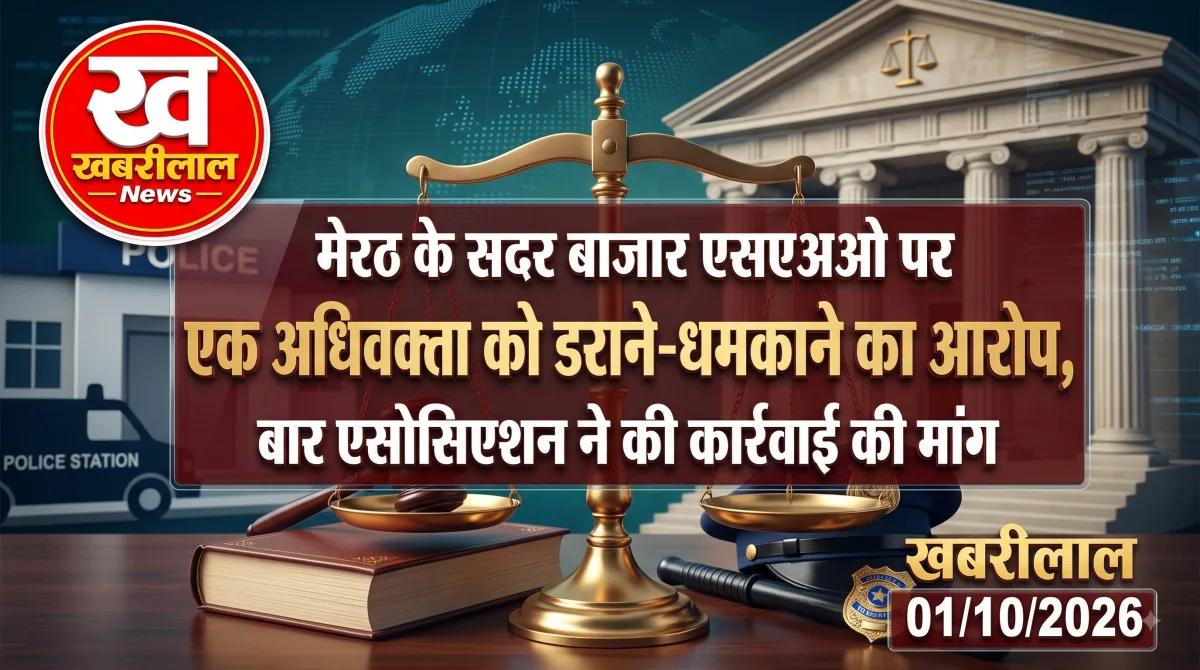
MEERUT, In a significant and stringent ruling, the Additional Sessions Judge (Court No. 01) of Meerut, Shri Mohd. Aslam Siddiqui, has firmly rejected the first bail application of Nitin Agarwal, the prime accused and mastermind behind a massive Fake Input Tax Credit (ITC) scam.
\r\n\r\n\r\n\r\n
The scam, which has caused substantial losses to the national exchequer, was exposed by the Directorate General of GST Intelligence (DGGI), Ghaziabad. Given the gravity of this economic offense, the court refused to grant any relief to the accused.
\r\n\r\n\r\n\r\n
1. Background of the Case and DGGI's Crackdown
\r\n\r\nThe case (Case No: 144/2026) stems from an intensive investigation by DGGI Ghaziabad, which busted a massive syndicate of fake entities. On January 29, 2026, DGGI teams conducted coordinated raids at the premises of M/S NTEXX Textiles Pvt. Ltd. and several other suspicious firms. The investigation revealed a sprawling fake ITC network operating entirely on paper.
\r\n\r\n
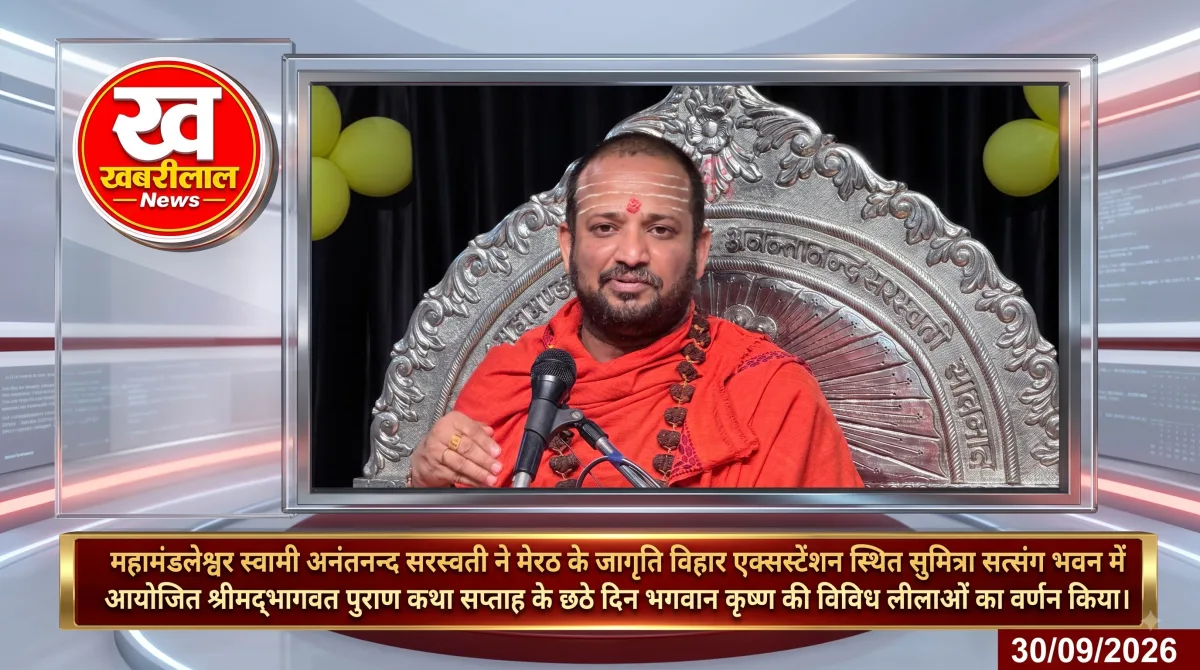
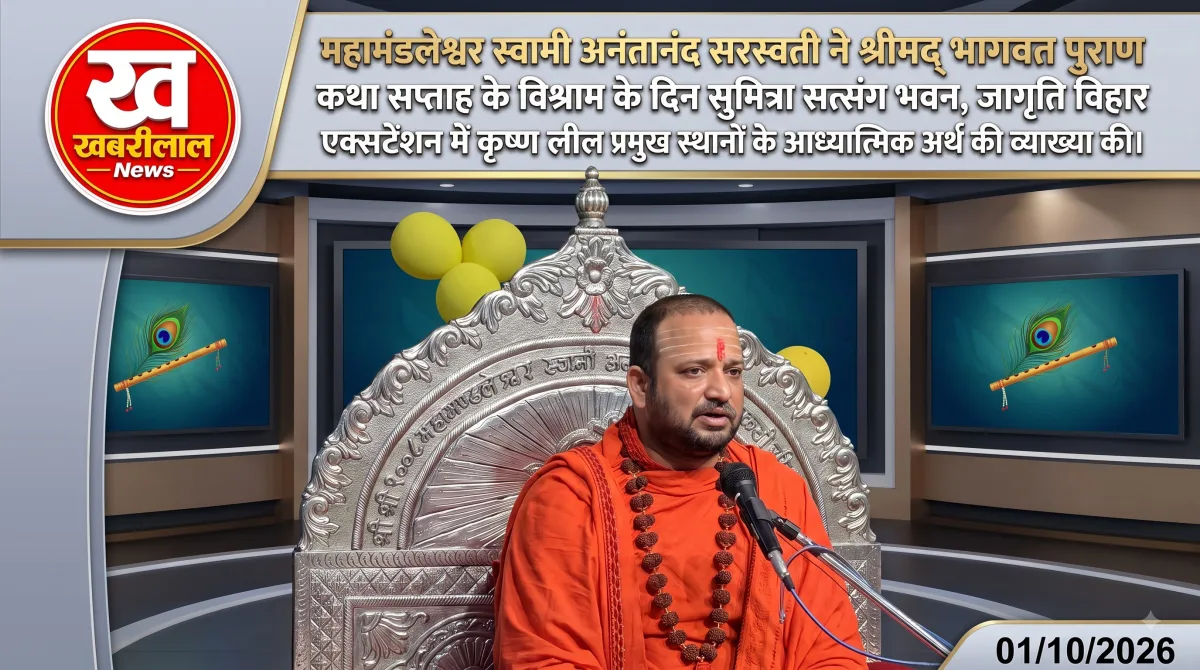 Shrimad Bhagwat Katha: जागृति विहार के सुमित्रा सत्संग भवन में भागवत कथा ज्ञान यज्ञ का समापन, स्वामी अनंतानंद ने श्रीकृष्ण लीलाओं का आध्यात्मिक रहस्य बताकर किया मुग्ध
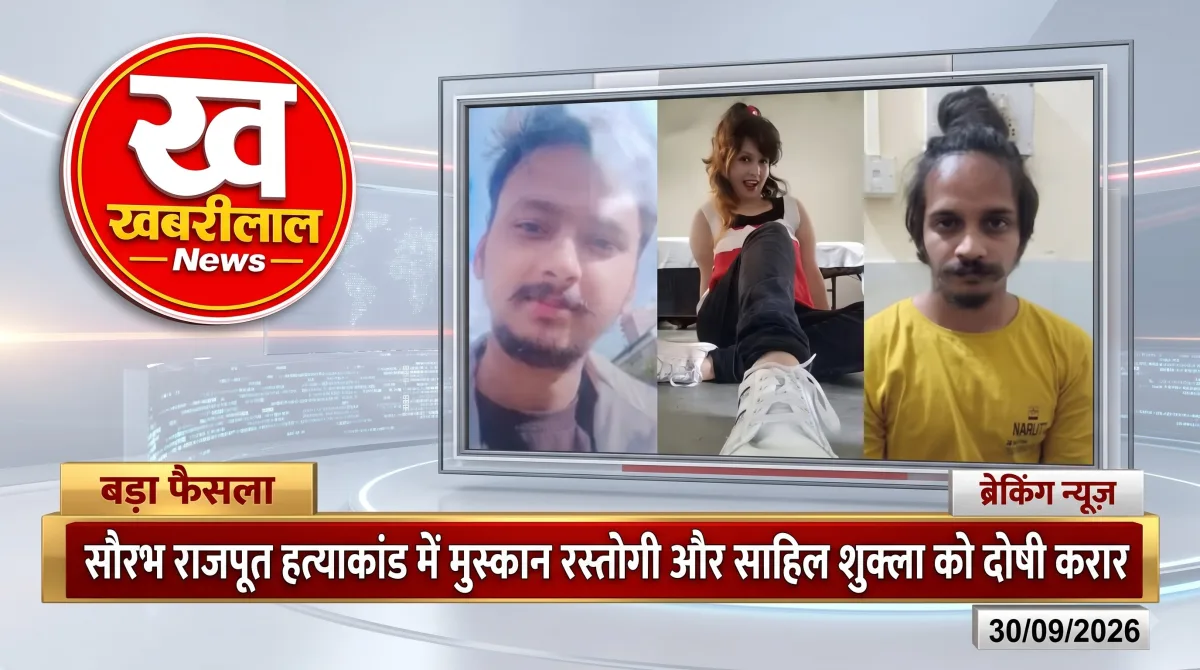
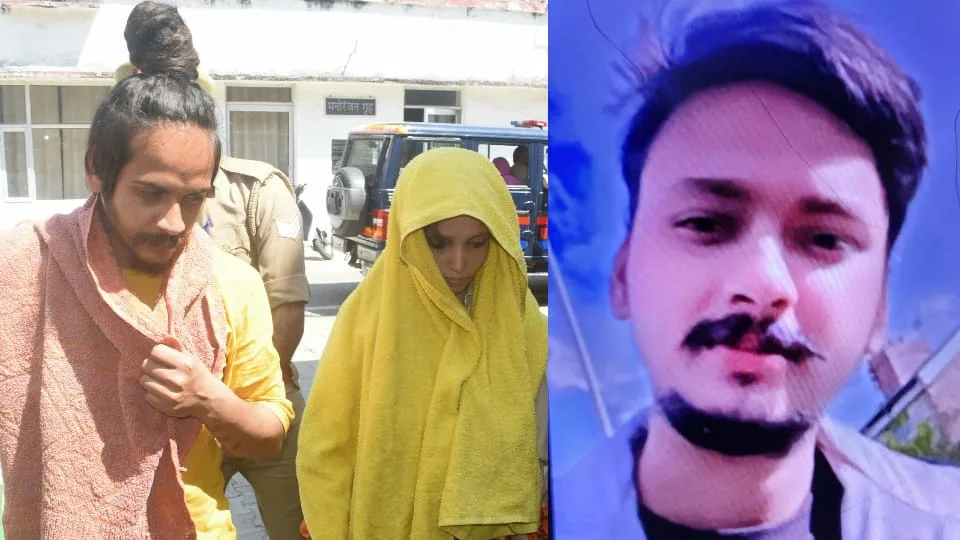
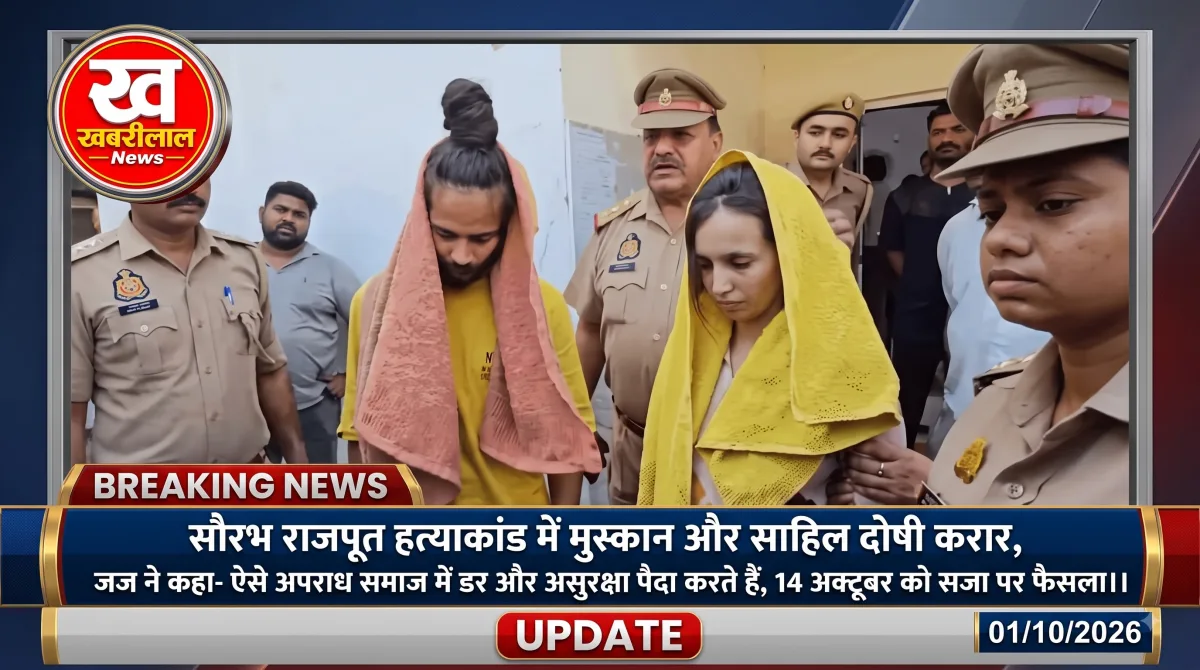 सौरभ राजपूत हत्याकांड में मुस्कान और साहिल दोषी करार, जज ने कहा- ऐसे अपराध समाज में डर और असुरक्षा पैदा करते हैं, 14 अक्टूबर को सजा पर फैसला
 Swachhata Abhiyan APS Meerut: आर्मी पब्लिक स्कूल मेरठ में स्वच्छता और जल संचय संवाद का भव्य आयोजन, पांच स्कूलों के 300 छात्रों ने लिया पर्यावरण संरक्षण का बड़ा संकल्प
 Meerut Bus Stand Relocation: मेरठ का भैंसाली बस अड्डा जल्द शहर के बाहर होगा शिफ्ट, भूड़बराल और मोदीपुरम में बनेंगे दो नए टर्मिनल, मिलेगी भयंकर जाम से बड़ी मुक्ति
According to the department, Nitin Agarwal, a resident of Deepali Enclave, Pitampura, Delhi, is the mastermind behind this operation. He allegedly orchestrated a web of 87 dummy firms. Through these shell companies, Agarwal fraudulently claimed and passed on Input Tax Credit worth approximately ₹60,57,35,927 (Over ₹60.57 Crores) based solely on fake invoices, without any actual supply of goods.
\r\n\r\nFollow the Khabreelal News channel on WhatsApp Join › \r\n\r\n
2. Arguments Presented by the Defense
\r\n\r\nThe counsel representing the applicant, Nitin Agarwal, presented several arguments in favor of the bail application (First Bail Application No: 514/2026):
\r\n\r\n\r\n\r\n
- \r\n
- \r\n Allegation of Illegal Arrest: The defense argued that Agarwal was taken into custody on January 30, 2026, but was presented before the Magistrate on January 31, 2026. They claimed this was a clear violation of Section 58 of the Bharatiya Nagarik Suraksha Sanhita (BNSS), which mandates production before a magistrate within 24 hours.\r\n \r\n
- \r\n No Direct Connection to the Firms: It was claimed that the accused is neither a shareholder, director, nor owner of the 87 firms allegedly involved in the scam.\r\n \r\n
- \r\n Coerced Confession: The defense alleged that Agarwal was denied legal aid during his arrest and was mentally pressured into signing blank papers at midnight. They also stated that his initial statement had already been retracted.\r\n \r\n
- \r\n Medical Grounds: Pleading on humanitarian grounds, the defense stated that Agarwal suffers from severe ailments, including Bronchial Asthma and Type-2 Diabetes, arguing that proper medical care is not feasible in judicial custody.\r\n \r\n
\r\n\r\n
3. Strong Opposition by the Prosecution (DGGI/Union of India)
\r\n\r\nCountering the defense, Special Prosecution Officer (SPO) Lakshya Kumar Singh and his associate, Advocate Vandana Singh, strongly opposed the bail plea. They presented concrete evidence before the court:
\r\n\r\n\r\n\r\n
- \r\n
- \r\n The De Facto Controller: The prosecution clarified that while Agarwal's name might not appear on the official paperwork, he is the de facto controller of all the dummy firms. Because of his poor credit score, he cleverly set up the business in the names of his son, Garvit Agarwal, and his employees.\r\n \r\n
- \r\n Electronic Evidence and Co-accused Statements: DGGI informed the court that WhatsApp chats recovered from the accused's mobile phone, along with other electronic data and statements from co-accused, clearly establish his involvement. Notably, his son Garvit testified that he was merely a titular owner, while all financial and operational controls were managed by his father.\r\n \r\n
- \r\n Risk of Tampering and Influencing Witnesses: The prosecution warned that granting bail to such a highly influential and cunning individual could lead to the intimidation of witnesses and destruction of evidence, thereby derailing the investigation.\r\n \r\n
\r\n\r\n
4. Nature of the Offense under the C.G.S.T. Act, 2017
\r\n\r\nThe accused was charged under the following severe provisions of the C.G.S.T. Act, 2017:
\r\n\r\n\r\n\r\n
- \r\n
- \r\n Section 132(1)(b): Issuing invoices or bills without actual supply of goods or services.\r\n \r\n
- \r\n Section 132(1)(c): Availing Input Tax Credit using such fake invoices.\r\n \r\n
- \r\n Section 132(1)(i): Destroying documents or concealing information related to the aforementioned offenses.\r\n \r\n
\r\n\r\n
Since the amount of tax evasion exceeds ₹5 Crores (standing at over ₹60 Crores in this case), the offense is classified as Cognizable and Non-bailable under the law.
\r\n\r\n\r\n\r\n
5. Court's Observations and Final Verdict
\r\n\r\nAfter thoroughly hearing both sides, Additional Sessions Judge Mohd. Aslam Siddiqui delivered his decisive order on February 27, 2026.
\r\n\r\n\r\n\r\n
The court observed that a perusal of the records and arguments prima facie establishes Nitin Agarwal as the main operator of the syndicate. The court placed significant weight on his son Garvit Agarwal's statement, which confirmed that the entire operation was orchestrated by his father. The judge dismissed the defense's argument regarding Agarwal having no direct link to the firms, noting that masterminds of such fake ITC scams frequently operate from behind the scenes.
\r\n\r\n\r\n\r\n
Citing various Supreme Court precedents, the court remarked that economic offenses hollow out the roots of the country's economy. Such crimes are committed with deep conspiracy and cold calculation. Granting bail at the preliminary investigation stage to an individual who has caused such massive damage to the public exchequer would not serve the interests of justice.
\r\n\r\n\r\n\r\n
Deeming the defense's medical and legal loophole arguments insufficient, the court concluded: "The bail application of the applicant, Nitin Agarwal, is hereby rejected."
\r\n\r\n\r\n\r\n
Summary: The Meerut court's decision sends a stern warning to tax evaders attempting to build illicit fortunes overnight using dummy companies and fake billing. The unearthing of this ₹60.57 Crore scam by DGGI Ghaziabad demonstrates the GST department's increasing efficiency in tracking down tax evaders using data analytics and artificial intelligence. The judiciary's strict stance on economic offenses marks a positive step toward ensuring a robust and transparent national economy.
\r\n\r\n\r\n\r\n
Disclaimer: This news report is based on the available press release and the arguments of the Special Prosecution Officer and the accused's lawyer and a valid court order.







































































































Sabse pehle comment karne wale banein.