




In a landmark crackdown on economic offenders, the Directorate General of GST Intelligence (DGGI), Meerut Zonal Unit, has exposed one of the most sophisticated and brazen Goods and Services Tax (GST) frauds in recent history. The scam, involving a staggering ₹2,150 crore in fake billing and the strategic abuse of geographical remoteness, has been dismantled with the arrest of its mastermind, Abhishek Jain, and his accomplices.
\r\n\r\n\r\n\r\n
The operation, spearheaded by the Dehradun Regional Unit under the Meerut Zone, revealed a sinister plot not just to evade taxes, but to directly siphon off public money from the Government of India's treasury through fraudulent "Export Refunds" based on non-existent shipments from the Andaman and Nicobar Islands.
\r\n\r\n\r\n\r\n
Following a heated hearing at the Chief Judicial Magistrate (CJM) Court in Meerut on Friday, February 13, 2026, the accused were remanded to judicial custody, thanks to the robust arguments presented by the GST Department’s legal team led by Special Public Prosecutor Mr. Lakshay Kumar Singh and his associate, Advocate Mrs. Vandana Singh.
\r\n\r\n
 LIVE नीला ड्रम केस में मुस्कान और साहिल दोषी करार: सौरभ राजपूत की हत्या में कोर्ट ने फैसला रखा सुरक्षित, 15 दिन बाद सुनाई जाएगी सजा
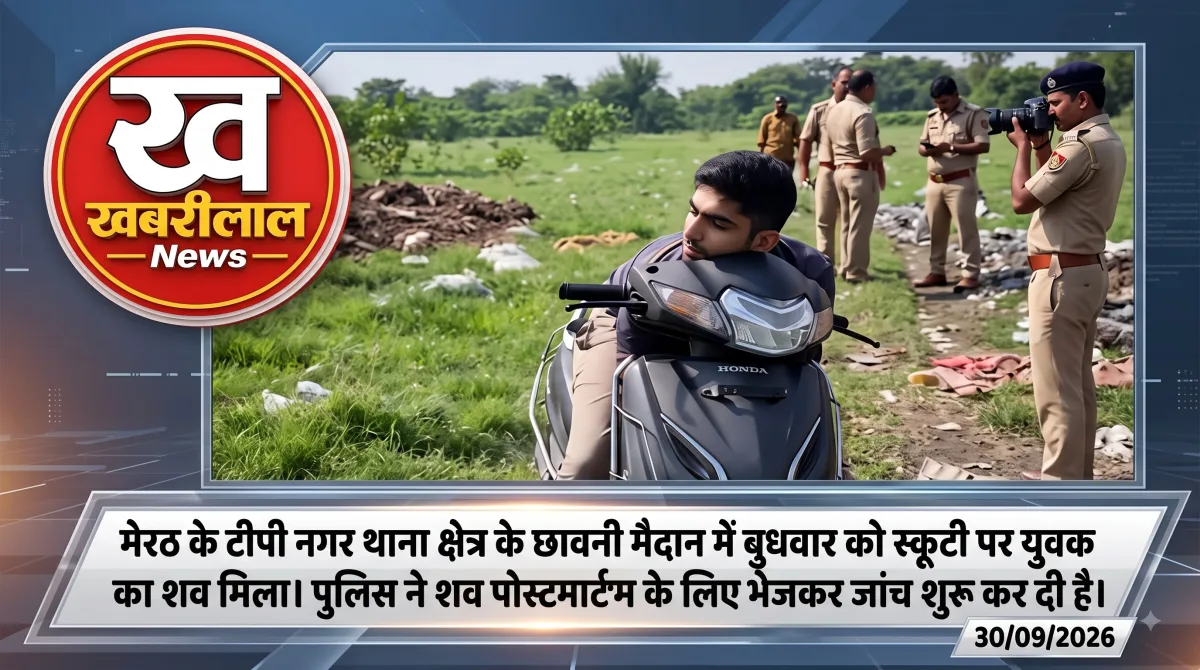 मेरठ के छावनी मैदान में स्कूटी पर मिला युवक का शव: राहगीरों की सूचना पर पहुंची पुलिस, परिजनों ने जताई हत्या की आशंका; पोस्टमार्टम से खुलेगा मौत का राज
 मेरठ नीले ड्रम हत्याकांड में फैसले का दिन: अधिवक्ता बोले- मुस्कान-साहिल ने योजना बनाकर सौरभ की हत्या की, नशीली दवा देकर किया था बेहोश
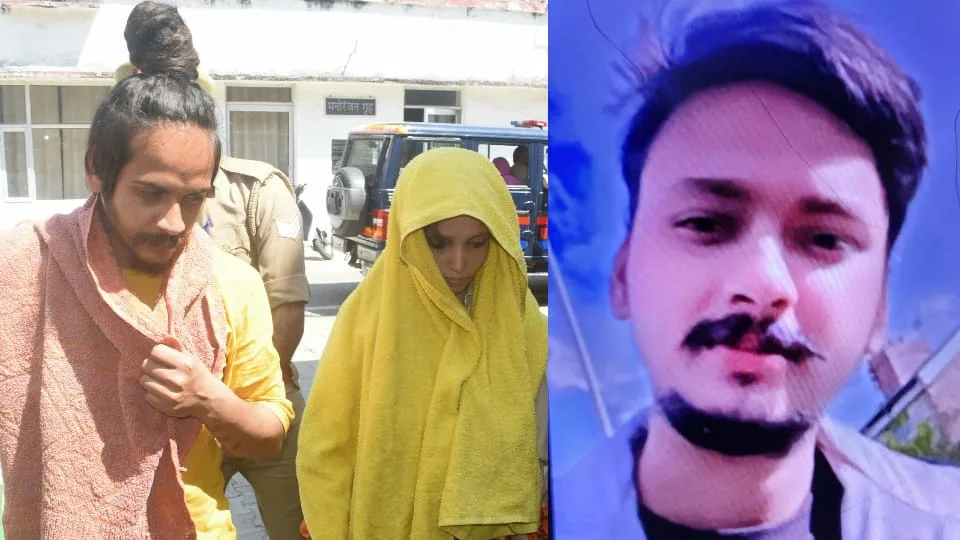 नीला ड्रम केस में आज आ सकता है फैसला: 126 पेशियां, 22 गवाह और 13 महीने की सुनवाई; जानिए सौरभ हत्याकांड में उस रात से अब तक कोर्ट में क्या-क्या हुआ
The Anatomy of the Scam – Operation 'Island Ghost':-
\r\n\r\nFollow the Khabreelal News channel on WhatsApp Join › \r\n\r\n
The Andaman Connection: A Strategic Hideout
\r\n\r\nFinancial criminals often seek "safe havens" where they believe enforcement oversight is lax. This syndicate took this concept literally by registering their fraudulent entities in the Andaman and Nicobar Islands, far removed from the mainland's immediate scrutiny.
\r\n\r\n\r\n\r\n
- \r\n
- \r\n The Scale of Deception: The syndicate created a labyrinth of 37 fake (shell) entities. Through these firms, they generated fake invoices worth a taxable value of ₹2,156.57 Crore.\r\n \r\n
- \r\n The "Air" Supply: Investigations confirmed that these invoices were entirely fictitious. There was no actual manufacturing, no warehousing, and no movement of goods. The entire "business" existed solely on the GST portal and in forged documents.\r\n \r\n
\r\n\r\n
Direct Looting of the Treasury (Export Refund Fraud)
\r\n\r\nWhile most GST frauds focus on reducing tax liability, this syndicate went a step further—they treated the government treasury as their personal ATM.
\r\n\r\n\r\n\r\n
- \r\n
- \r\n Fake ITC Generation: By circulating invoices among their 37 shell firms, they generated and passed on ₹276.16 Crore (approx. ₹300 Cr) in fake Input Tax Credit (ITC).\r\n \r\n
- \r\n The Export Mirage: They claimed to "export" goods from the Andaman Islands to foreign countries. Since exports are zero-rated, the government refunds the tax paid on inputs.\r\n \r\n
- \r\n The Cash Out: Based on these ghost exports, the mastermind successfully claimed and withdrew ₹17.53 Crore in cash refunds from the government exchequer—money that belonged to the taxpayers of India.\r\n \r\n
\r\n\r\n
The Mastermind – Abhishek Jain
\r\n\r\nDetailed scrutiny of the seized documents and digital footprints pointed to one man at the center of this web: Mr. Abhishek Jain, a resident of E-16/3, Krishna Nagar, Delhi.
\r\n\r\n\r\n\r\n
The Puppet Master
\r\n\r\nAbhishek Jain was not merely a participant; he was the architect of the entire fraud.
\r\n\r\n\r\n\r\n
- \r\n
- \r\n Identity Theft: He utilized the identity documents of common people (likely unsuspecting or coerced individuals) to register the 37 firms, appointing them as "dummy" proprietors and directors.\r\n \r\n
- \r\n Total Control: Jain retained possession of all critical financial tools—Digital Signature Certificates (DSCs), bank credentials, login passwords, and chequebooks—ensuring he had absolute control over the flow of money.\r\n \r\n
- \r\n The Confession: In his voluntary statement recorded on February 12, 2026, under Section 70 of the CGST Act, Abhishek Jain admitted to his crimes. He confessed to operating the cartel for financial gain, specifically citing "cash commissions" as his motive for generating fake ITC and claiming fraudulent refunds.\r\n \r\n
\r\n\r\n
The Takedown – February 12 (The Raid)
\r\n\r\nActing on precise, developed intelligence, DGGI teams launched simultaneous search operations across the Delhi region on Thursday, February 12.
\r\n\r\n\r\n\r\n
Seizure of the "Financial Arsenal"
\r\n\r\nThe search yielded irrefutable evidence linking Jain to the shell network. Officers seized a massive cache of incriminating material:
\r\n\r\n\r\n\r\n
- \r\n
- \r\n Digital Devices: Laptops, mobile phones, and hard drives containing accounting software and invoice templates for the fake firms.\r\n \r\n
- \r\n Banking Instruments: Scores of debit/credit cards and chequebooks issued in the names of the "dummy" proprietors but found in Jain’s possession.\r\n \r\n
- \r\n Communication: Multiple SIM cards used to receive OTPs for filing GST returns and generating e-way bills for non-existent goods.\r\n \r\n
- \r\n Stamps: Rubber stamps of the 37 fake companies.\r\n \r\n
\r\n\r\n
This seizure established Jain as the de facto owner and operator of the entire syndicate.
\r\n\r\n\r\n\r\n
The Courtroom Battle – Justice Served
\r\n\r\nFollowing his arrest, Abhishek Jain and two key associates were produced before the Honorable Chief Judicial Magistrate (CJM), Meerut, on Friday, February 13, 2026. The atmosphere in the courtroom was tense as the defense sought bail, but the prosecution was prepared with a watertight case.
\r\n\r\n\r\n\r\n
Prosecution’s lethal Arguments
\r\n\r\nThe Department of Revenue (GST Intelligence) was represented by Special Public Prosecutor (SPP) Mr. Lakshay Kumar Singh, assisted by Advocate Mrs. Vandana Singh.
\r\n\r\n\r\n\r\n
Mr. Lakshay Kumar Singh presented a compelling argument against the accused:
\r\n\r\n\r\n\r\n
- \r\n
- \r\n Gravity of the Offence: Mr. Singh argued that this was not a victimless crime. "Siphoning ₹17 crore directly from the Consolidated Fund of India and creating a fake credit ecosystem of ₹2,150 crore is an act of economic sabotage," he stated.\r\n \r\n
- \r\n Section 132 Violations: The prosecution highlighted that the accused had committed offences under Section 132(1)(b), (c), (f), and (l) of the CGST Act, 2017. Since the amount of tax evaded exceeded ₹500 lakhs (₹5 Crores), the offence is cognizable and non-bailable.\r\n \r\n
- \r\n Risk of Tampering: Advocate Mrs. Vandana Singh reinforced the argument by pointing out the sophistication of the syndicate. She argued that if granted bail, the accused—who is technically adept and financially powerful—could destroy cloud-based digital evidence or intimidate the "dummy" witnesses whose identities were misused.\r\n \r\n
- \r\n Money Trail Investigation: The legal team emphasized that the investigation into the "Mule Accounts" (used to launder the proceeds of crime) was still in its infancy, and custodial interrogation was vital to trace the ultimate beneficiaries.\r\n \r\n
\r\n\r\n
The Verdict
\r\n\r\nConvinced by the strong representation of SPP Lakshay Kumar Singh and Advocate Vandana Singh, the Hon'ble Court rejected the bail applications. The Magistrate observed that the evidence pointed to a "deliberate and planned conspiracy" to defraud the state and remanded all three key accused to 14 days of Judicial Custody.
\r\n\r\n\r\n\r\n
Modus Operandi Analysis
\r\n\r\nFor the public and business community, understanding how this fraud was executed is crucial to recognizing the severity of the crackdown.
\r\n\r\n\r\n\r\n
- \r\n
- \r\n Layering: The syndicate didn't just issue one bill. They layered the transactions through multiple shell companies (A -> B -> C -> Export) to make the "money trail" difficult to trace.\r\n \r\n
- \r\n Geographical Arbitrage: By choosing Andaman & Nicobar, they exploited the logistical difficulties inspection officers face in verifying physical stock in remote island territories compared to the mainland.\r\n \r\n
- \r\n Data Analytics Victory: This bust is a testament to DGGI's growing reliance on Advanced Data Analytics. The system flagged the anomaly: companies in the islands showing hundreds of crores in turnover without corresponding e-way bill movement or logistical footprints (shipping bills).\r\n \r\n
\r\n\r\n
Legal Implications
\r\n\r\nThe charges levied against Abhishek Jain and his syndicate are severe. Under the CGST Act, 2017:
\r\n\r\n\r\n\r\n
- \r\n
- \r\n Section 132(1)(b): Issuing invoices without supply of goods.\r\n \r\n
- \r\n Section 132(1)(c): Availing ITC using such invoices.\r\n \r\n
- \r\n Punishment: For tax evasion exceeding ₹5 Crore, the law prescribes imprisonment which may extend to 5 years with a fine.\r\n \r\n
- \r\n PMLA Investigation: Given the scale of money laundering involving "mule accounts," sources suggest the case details may be shared with the Enforcement Directorate (ED) for a parallel investigation under the Prevention of Money Laundering Act (PMLA).\r\n \r\n
\r\n\r\n
Conclusion
\r\n\r\nThe dismantling of this ₹2,150 Crore syndicate by DGGI Meerut serves as a stern warning to tax evaders: the digital eye of the GST department is watching. Distance is no longer a defense, and shell companies are no longer a shield.
\r\n\r\n\r\n\r\n
With Special Public Prosecutor Mr. Lakshay Kumar Singh and Advocate Mrs. Vandana Singh pressing the case firmly in court, the department has signaled zero tolerance for those who attempt to bleed the national exchequer.
\r\n\r\n\r\n\r\n
As the forensic analysis of the seized laptops continues, authorities expect to uncover more names linked to this massive "Island Ghost" scam.
\r\n\r\n\r\n\r\n
Frequently Asked Questions (FAQ)
\r\n\r\nQ1: What is Input Tax Credit (ITC) Fraud? Ans: ITC fraud occurs when a business claims a credit for taxes they never actually paid to the government, usually by presenting fake invoices from non-existent (shell) companies.
\r\n\r\nQ2: Why was the Andaman and Nicobar Islands used in this scam? Ans: The accused likely believed that the geographical isolation of the islands would make physical verification of goods and premises difficult for mainland intelligence officers.
\r\n\r\nQ3: Who represented the government in court? Ans: The GST Department was represented by Special Public Prosecutor Mr. Lakshay Kumar Singh and his colleague, Advocate Mrs. Vandana Singh.
\r\n\r\nQ4: What is the punishment for this crime? Ans: Since the evasion exceeds ₹5 Crores, the offence is non-bailable and punishable by up to 5 years in prison plus fines.
\r\n\r\n\r\n\r\n





































































































Sabse pehle comment karne wale banein.