




The implementation of the Goods and Services Tax (GST) in India was heralded as a revolutionary step toward bringing absolute transparency to the nation’s complex taxation system. It was designed to weave the massive, fragmented Indian market into a single, unified economic thread. However, where there is a system, there are always those who seek to circumvent it. In what is now emerging as one of the most staggering financial crimes in recent history, tax evaders have exploited the very framework meant to stop them, engineering new, sophisticated methods to siphon off billions of rupees from the national exchequer.READ ALSO:-727 करोड़ का 'सुपारी और पान मसाला' GST घोटाला: DGGI मेरठ का बड़ा प्रहार, कोर्ट रूम के तीखे सवालों के बीच कारोबारी को 14 दिन की जेल
\r\n\r\n\r\n\r\n
In a sensational development that has sent massive shockwaves through the administrative corridors and the bustling business communities of North India, a breathtaking ₹727 crore GST evasion case has been unearthed in Meerut, Uttar Pradesh. This is not a routine case of minor ledger discrepancies or petty tax evasion; this is a highly organized, deeply entrenched corporate syndicate that has operated in the shadows for years.
\r\n\r\n\r\n\r\n
On April 3, 2026, the courtroom of the Special Chief Judicial Magistrate in Meerut became the epicenter of a high-voltage legal battle. The atmosphere in the courtroom was electrifying as the nation’s premier tax intelligence agency, the Directorate General of GST Intelligence (DGGI), locked horns with a formidable battery of high-profile defense lawyers representing a wealthy Delhi-based businessman. This comprehensive, deep-dive report meticulously breaks down the intricate anatomy of this ₹727 crore mega-scam, the dramatic courtroom showdown, the razor-sharp legal arguments, and the uncompromising judicial verdict that followed.
\r\n\r\n
 LIVE नीला ड्रम केस में मुस्कान और साहिल दोषी करार: सौरभ राजपूत की हत्या में कोर्ट ने फैसला रखा सुरक्षित, 15 दिन बाद सुनाई जाएगी सजा
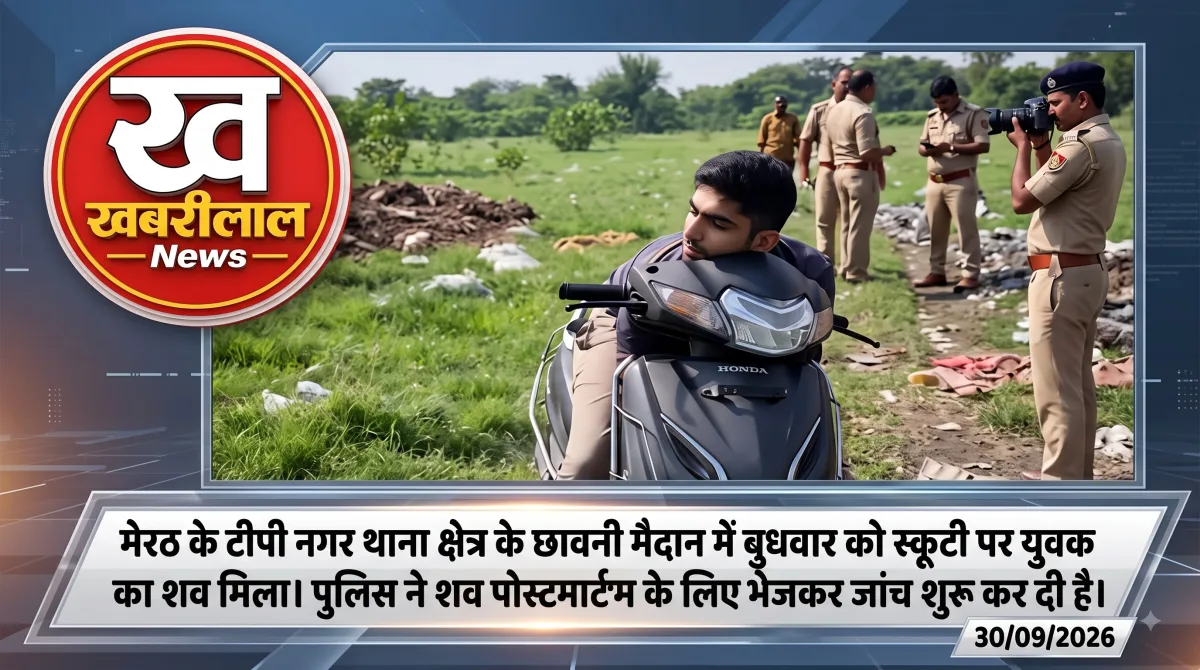 मेरठ के छावनी मैदान में स्कूटी पर मिला युवक का शव: राहगीरों की सूचना पर पहुंची पुलिस, परिजनों ने जताई हत्या की आशंका; पोस्टमार्टम से खुलेगा मौत का राज
 मेरठ नीले ड्रम हत्याकांड में फैसले का दिन: अधिवक्ता बोले- मुस्कान-साहिल ने योजना बनाकर सौरभ की हत्या की, नशीली दवा देकर किया था बेहोश
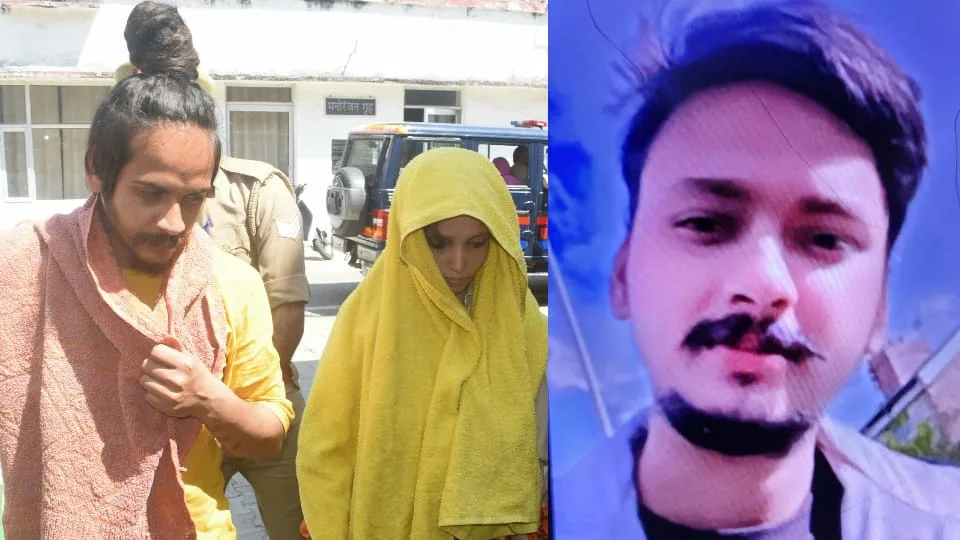 नीला ड्रम केस में आज आ सकता है फैसला: 126 पेशियां, 22 गवाह और 13 महीने की सुनवाई; जानिए सौरभ हत्याकांड में उस रात से अब तक कोर्ट में क्या-क्या हुआ
Case Profile and Administrative Overview
\r\nBefore delving into the labyrinthine details of this financial conspiracy, it is crucial to establish the official parameters of this high-stakes judicial proceeding:
\r\n\r\n\r\nBefore delving into the labyrinthine details of this financial conspiracy, it is crucial to establish the official parameters of this high-stakes judicial proceeding:
- \r\n
- Presiding Court: Court of the Special Chief Judicial Magistrate, Meerut (Presiding Officer: Smt. Durgesh Nandini). \r\n
- Case Reference Number: 189/2026. \r\n
- Title of the Suit: Union of India vs. Yogendra Kumar Srivastava. \r\n
- Prosecuting Agency: Directorate General of GST Intelligence (DGGI), Meerut Zonal Unit. \r\n
- Investigating Officer (IO): Kumar Amit Khokhar. \r\n
- The Accused: Yogendra Kumar Srivastava, son of Prem Shankar Srivastava. \r\n
- Registered Address of Accused: BES-43, First Floor, Hari Nagar South West Delhi, Police Station Mayapuri, District South West Delhi. \r\n
- Legal Provisions Invoked: Sections 132(1)(a) and 132(1)(i) of the Central Goods and Services Tax (CGST) Act, 2017. \r\n
- Date of Judicial Order: April 3, 2026. \r\n
Follow the Khabreelal News channel on WhatsApp Join › \r\n\r\n
The Anatomy of the ₹727 Crore Mega Scam: Weaving the Web of Deceit
\r\n\r\nA Web of Deceit According to sensational documents presented before the Honorable Court by the Prosecution (DGGI)—specifically by Special Public Prosecutor (Special PP) Lakshya Kumar Singh and his associate counsel, Ms. Vandana Singh—this was no ordinary instance of tax evasion. It was a meticulously planned and systematically executed syndicate operation, the sole objective of which was to completely cripple the government financially. At the very epicenter of this illicit empire lay the highly lucrative trade in 'Supari' (areca nut) and the rapidly expanding *Pan Masala* industry.
\r\n\r\n\r\n\r\n
1. The Interstate Smuggling Route: Assam to Karnataka
\r\n\r\nThe syndicate's modus operandi was brilliant in its audacity. The primary raw material for pan masala, the areca nut, is cultivated predominantly in the states of Assam and Karnataka. The investigation revealed that massive quantities of areca nuts were being illegally procured and transported from these states. This massive logistical operation was allegedly conducted entirely off the books, utilizing a shadow supply chain that bypassed e-way bills, legitimate invoices, and regional tax checkpoints.
\r\n\r\n\r\n\r\n
2. The 'Fake Retail Sale' Illusion
\r\n\r\nProcuring the raw material was only the first step; the true genius of the fraud lay in how the syndicate laundered this undocumented inventory into the mainstream market. To make this illegal, black-market areca nut appear legitimate, the syndicate employed a tactic known as 'Fake Retail Sale'. On paper, they generated countless fictitious invoices demonstrating that the areca nuts were sold in small quantities to retail consumers or local, untraceable vendors. In reality, these retail sales were a complete fabrication, an illusion meant to blind the tax authorities.
\r\n\r\n\r\n\r\n
3. Feeding the Pan Masala Giants
\r\n\r\nWhile the ledgers showed the goods disappearing into the retail market, the actual physical stock was being diverted to a completely different destination. This massive, unbilled stockpile of areca nuts was funneled directly to major pan masala manufacturing companies.
\r\n\r\n\r\n\r\n
4. The Corporate Fronts: 'Ashiqi' and 'Cash Gold'
\r\n\r\nThe investigation zeroed in on two primary corporate entities at the center of this storm: M/s Ambey Flavours and M/s Mahalaxmidevi Flavours. These firms, allegedly controlled and operated by the accused, Yogendra Kumar Srivastava, are the driving force behind some of the most popular and highly demanded pan masala brands in the market, specifically 'Ashiqi' and 'Cash Gold'. By bypassing the raw material taxation, these brands could artificially inflate their profit margins to staggering levels.
\r\n\r\n\r\n\r\n
The Mind-Boggling Financial Impact
\r\n\r\nWhen the DGGI Meerut Zonal Unit finally cracked the code and began tallying the numbers, the resulting figures were nothing short of catastrophic. The intensive probe revealed that through this labyrinthine network, an unimaginable 1.43 crore kilograms (14,300 metric tons) of areca nuts had been illegally supplied.
\r\n\r\n\r\n\r\n
When the applicable GST rates were calculated against this colossal volume of raw material, it was discovered that the syndicate had successfully evaded taxes amounting to approximately ₹727 crores. This represents a massive financial hemorrhage, a direct and devastating loss to the national exchequer and the public funds of the Government of India.
\r\n\r\n\r\n\r\n
Midnight Raids, Digital Footprints, and Confessions
\r\n\r\nThe empire began to crumble when multiple rapid-action teams from the DGGI swooped down on the premises connected to the accused. During these intensive search and seizure operations, investigators hit a goldmine of evidence. They recovered a massive cache of digital devices, including laptops, hard drives, and mobile phones, alongside volumes of handwritten 'kaccha' (unofficial) records.
\r\n\r\n\r\n\r\n
These parallel ledgers contained the true, unvarnished history of the syndicate's operations, meticulously logging the illegal interstate procurement and the subsequent off-the-books supply to the pan masala units. Furthermore, the DGGI claimed that during his interrogation, the accused, Yogendra Kumar Srivastava, explicitly confessed to his involvement in this massive illegal purchasing and selling network. Under the law, this specific class of economic offense is categorized as both non-bailable and cognizable. Based on these explosive findings, Investigating Officer Kumar Amit Khokhar petitioned the court for a 14-day judicial remand of the accused to further unravel the conspiracy.
\r\n\r\n\r\n\r\n
The Courtroom Battlefield: The Defense Unleashes a Legal Barrage
\r\n\r\nUnderstanding the gravity of the situation, the accused deployed a formidable legal defense team. The courtroom witnessed intense arguments as defense counsels Rajendra Singh Rana, Jatin Yadav, Paras Aneja, and their associates launched a blistering counter-attack against the DGGI's methodology, challenging the very constitutionality of the arrest.
\r\n\r\n\r\n\r\n
The Allegation of Illegal Detention: The defense's opening salvo targeted the timeline of the police action. They vehemently argued that while the DGGI's official documents recorded the arrest on April 2, 2026 , their client had actually been picked up and detained from his Delhi residence on the evening of April 1, 2026. They contended that keeping the accused in custody for more than 24 hours without presenting him before a magistrate was a blatant violation of the Bharatiya Nagarik Suraksha Sanhita (BNSS), 2023, rendering the entire detention illegal.
\r\n\r\n\r\n\r\n
The Flawed Arrest Memo: The defense then moved to technicalities, aggressively questioning the validity of the Arrest Memo. They argued that a legally sound arrest memo mandates 16 specific columns detailing the circumstances of the arrest, whereas the document produced by the DGGI was a rudimentary form containing only 4 columns.
\r\n\r\n\r\n\r\n
Constitutional Violations and the Supreme Court Precedent: Invoking the fundamental rights guaranteed under Articles 21 (Protection of Life and Personal Liberty) and 22 (Protection against Arrest and Detention) of the Indian Constitution, the lawyers claimed their client was kept completely in the dark regarding the "solid grounds" for his arrest. Furthermore, they leaned heavily on the landmark Supreme Court judgment in the case of Satender Kumar Antil vs. CBI. They argued that under Section 132(1)(f) of the CGST Act, the offense is bailable with a maximum 6-month sentence, and under 132(1)(a), the maximum sentence is 5 years. Therefore, according to the Supreme Court's guidelines, the agency was legally obligated to issue a notice prior to any direct arrest, a protocol they alleged was completely bypassed.
\r\n\r\n\r\n\r\n
The Jurisdiction Dispute: Finally, the defense played the territorial card. They argued that since the accused's firm operates strictly out of Delhi, the Meerut court possessed zero territorial jurisdiction over the matter. They also preemptively retracted any statements allegedly made by the accused under Section 10 of the CGST Act, claiming they were extracted under duress and could not be used to form a presumption of guilt.
\r\n\r\n\r\n\r\n
The Magistrate's Gavel: Dismantling the Defense Brick by Brick
\r\n\r\nAfter patiently listening to the marathon arguments and meticulously examining the mountain of evidence, case diaries, and legal precedents, Special Chief Judicial Magistrate Smt. Durgesh Nandini delivered a clinically precise and devastating order that dismantled the defense's narrative entirely.
\r\n\r\n\r\n\r\n
Debunking the 24-Hour Detention Myth: The court turned its attention to the physical evidence regarding the timeline. The DGGI presented a photocopy of their official Visitor Register. The register clearly documented that Yogendra Srivastava had voluntarily arrived at the DGGI Meerut Zonal Unit office at 1:30 PM on April 1, 2026, and departed at 1:30 AM, affixing his signature to the log. The register further proved he returned to the office the next day, April 2, 2026, at 12:15 PM.
\r\n\r\n\r\n\r\n
Following the interrogation and a simultaneous search of his residence (documented by a Panchnama dated 01.04.2026), the Additional Director General (ADG) established a formal "Reason to Believe" and ordered the arrest at 5:03 PM on April 2. The actual arrest was executed at 6:55 PM in Meerut. The court definitively ruled that the accused was presented well within the mandatory 24-hour window, shattering the claim of illegal detention.
\r\n\r\n\r\n\r\n
Validating the Arrest Memo and DIN: Addressing the technical objections regarding the arrest memo, the court noted that the document was entirely valid. It bore a computer-generated Document Identification Number (DIN: CBIC-DIN202604DNN40000667906). It contained the signatures of the investigating officer, Amit Khokhar, and independent witnesses.
\r\n\r\n\r\n\r\n
Crucially, the accused had written in his own handwriting on the memo at 7:09 PM on April 2 that he had been fully briefed on the reasons for his arrest. He also documented that he had informed his son, Shubham, about the arrest using the IO's mobile phone at 6:44 PM. The court noted the format used was the official circular format (128/47//2019-GST) issued by the Ministry of Finance, CBIC. Furthermore, written grounds of arrest (DIN202604DNN4000000BA25) were provided to him in Hindi, which he read, signed, and handed over to an associate, Pradeep Kumar Tyagi, thereby fully complying with the High Court guidelines established in the Umang Rastogi case.
\r\n\r\n\r\n\r\n
Resolving the Jurisdiction Conundrum: The court swiftly dealt with the territorial jurisdiction argument by citing Government of India, Ministry of Finance Notification No. 14/2017-Central Tax, dated July 1, 2017. This notification grants Central Tax officials sweeping, Pan-India jurisdiction to investigate matters anywhere in the country. Because the intelligence regarding this specific tax evasion was received by the DGGI Meerut unit, and the investigation was initiated there, Meerut held absolute and unquestionable territorial jurisdiction.
\r\n\r\n\r\n\r\n
The Gravity of Economic Terror: In its most damning observation, the court addressed the defense's reliance on the Satender Kumar Antil judgment. The Magistrate stated unequivocally that the lenient guidelines of that ruling do not apply universally to severe economic offenses. The evasion of ₹727 crore is not a minor infraction; it is a colossal economic crime that strikes at the financial stability of the nation. Given the early stage of the investigation and the likelihood of uncovering more evidence and co-conspirators, custodial interrogation was deemed absolutely necessary.
\r\n\r\n\r\n\r\n
The Final Verdict and The Road Ahead
\r\n\r\nFinding zero merit in the defense's arguments and acknowledging the overwhelming prima facie evidence presented by the DGGI, the Special Chief Judicial Magistrate delivered the final ruling.
\r\n\r\n\r\n\r\n
The court officially accepted the DGGI's application and granted the judicial remand of the accused, Yogendra Kumar Srivastava, until April 15, 2026. The court directed that the accused be presented before the bench via Video Conferencing (VC) on the specified date.
\r\n\r\n\r\n\r\n
This comprehensive 4-page judicial order serves as a chilling warning to entrenched syndicates operating within the shadows of India's corporate sector. The unmasking of the 'Ashiqi' and 'Cash Gold' pan masala supply chain reveals that the areca nut industry remains a highly volatile hotspot for massive tax fraud. As the DGGI prepares to interrogate the accused further during this remand period, the business community waits with bated breath. The coming weeks will likely reveal whether this ₹727 crore bust is the end of the line for this specific syndicate, or merely the tip of a much larger, darker economic iceberg.
\r\n\r\nDisclaimer: This news report is based on available press releases, arguments presented by the Special Public Prosecutor and the counsel for the accused, and valid court orders.
\r\n\r\n









































































































Sabse pehle comment karne wale banein.