




FEBRUARY 18, 2026: In the quiet corridors of the Meerut District Court, a storm was brewing that would send ripples through India’s burgeoning online gaming industry. The docket for the Court of the Special Chief Judicial Magistrate (Special CJM) listed Case No. 2122/2025: Union of India vs. Ashish Tyagi. To the uninitiated, it looked like just another tax dispute. But as the clock struck noon and the heavy files of the Directorate General of GST Intelligence (DGGI), Ghaziabad, were placed before the bench, the sheer magnitude of the alleged crime became apparent.READ ALSO:-ऑनलाइन गेमिंग का 'काला खेल': 115 करोड़ की GST चोरी का मास्टरमाइंड सलाखों के पीछे, मोबाइल के एक पासवर्ड ने ध्वस्त किया 414 करोड़ का साम्राज्य
\r\n\r\n\r\n\r\n
This was not a case of a missed deadline or a calculation error. This was, as the court would later observe, a "serious economic offense" involving a turnover of over ₹414 Crore, a web of dummy companies, and a brazen attempt to defraud the government of ₹115 Crore in Goods and Services Tax (GST).
\r\n\r\n\r\n\r\n
At the center of this storm stood Ashish Tyagi, a resident of Patel Nagar, Ghaziabad. On paper, he was nobody—neither a director nor a shareholder of the companies in question. But in the digital realm, forensic evidence suggested he was the "God Mode" administrator of a shadow empire.
\r\n\r\n
 मेरठ नीले ड्रम हत्याकांड में फैसले का दिन: अधिवक्ता बोले- मुस्कान-साहिल ने योजना बनाकर सौरभ की हत्या की, नशीली दवा देकर किया था बेहोश
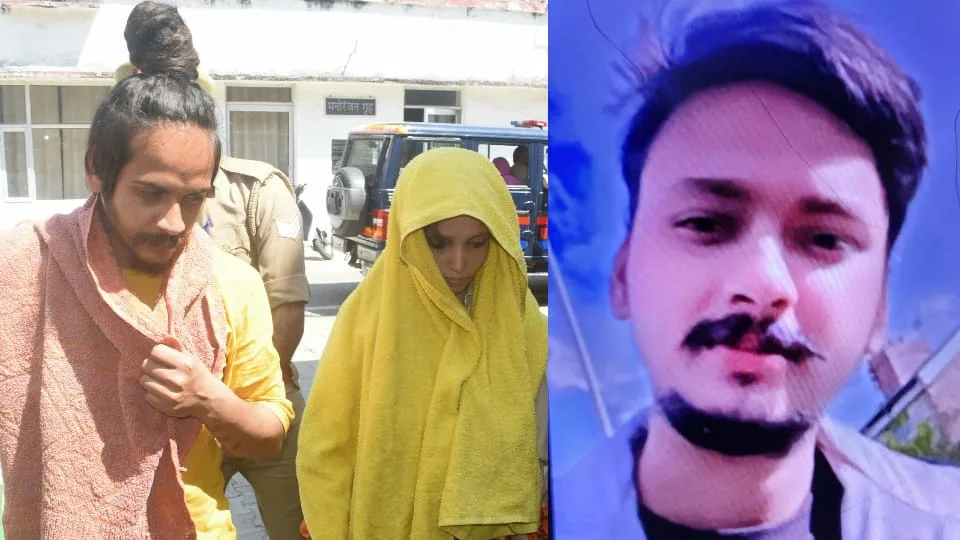 नीला ड्रम केस में आज आ सकता है फैसला: 126 पेशियां, 22 गवाह और 13 महीने की सुनवाई; जानिए सौरभ हत्याकांड में उस रात से अब तक कोर्ट में क्या-क्या हुआ
 Meerut Mosque Row: मेरठ में मस्जिद के बाहर हनुमान चालीसा पाठ का ऐलान वापस, पुलिस से नोकझोंक के बाद हिंदू रक्षा दल के दो पदाधिकारी हिरासत में
 ABVP Yuvati Sammelan Meerut: 'त्वम् हि दुर्गा' सम्मेलन में गूंजा नारी शक्ति का जयघोष, राज्य महिला आयोग की अध्यक्ष बबीता चौहान की मौजूदगी में 1500 युवतियों ने निकाली शोभायात्रा
This is the detailed story of how the DGGI pierced the corporate veil, the digital forensic breakthroughs that nailed the accused, and the dramatic courtroom battle that resulted in Tyagi’s 14-day judicial remand.
\r\n\r\nFollow the Khabreelal News channel on WhatsApp Join › \r\n\r\n
The Intelligence and The Trap
\r\n\r\nThe crackdown began months prior to the arrest. The DGGI Ghaziabad unit, known for its expertise in tracking digital tax evasion, had picked up electronic chatter regarding suspicious high-value transactions in the online gaming sector.
\r\n\r\n\r\n\r\n
The Target Entities
\r\n\r\nTwo companies were flagged on the radar:
\r\n\r\n\r\n\r\n
- \r\n
- \r\n M/s Doton Infotech Pvt. Ltd.\r\n \r\n
- \r\n M/s Rishi Enterprises.\r\n \r\n
\r\n\r\n
These entities were processing massive volumes of money—hundreds of crores—yet their tax filings were minuscule. They claimed to be small service providers, paying GST only on their "commissions" rather than the full face value of the bets, as mandated by Indian law for money gaming.
\r\n\r\n\r\n\r\n
The "Dummy" Directors
\r\n\r\nWhen investigators dug deeper, they found a classic hallmark of money laundering: the "Dummy Director" syndrome. The individuals listed as directors of Doton and Rishi Enterprises were ghost figures. They lacked the financial standing or technical expertise to run multi-crore tech companies. Intelligence gathered by the DGGI indicated that these directors were mere fronts—straw men placed to sign documents while the real beneficiary operated from the shadows. That beneficiary was identified as Ashish Tyagi.
\r\n\r\n\r\n\r\n
The Raid: February 17, 2026
\r\n\r\nThe trap was sprung on the morning of February 17. At 11:50 AM, a team of DGGI officers descended on Tyagi’s location. The operation was conducted with surgical precision, adhering to the new BNSS (Bharatiya Nagarik Suraksha Sanhita) Section 105 protocols, which mandate audio-video recording of search and seizure operations to ensure transparency.
\r\n\r\n\r\n\r\n
Tyagi was taken into custody, but the real treasure trove was not in his pockets—it was in his smartphone.
\r\n\r\n\r\n\r\n
The Anatomy of a ₹414 Crore Scam
\r\n\r\nTo understand the gravity of the charges laid out before Special CJM Durgesh, one must dissect the financial mechanics of the alleged fraud. The Prosecution, led by Investigating Officer Kumar Sourav Jayant, presented a staggering financial dossier.
\r\n\r\n\r\n\r\n
The Scale of Operations
\r\n\r\nThe investigation revealed that the two companies effectively controlled by Tyagi had become conduits for massive sums of money.
\r\n\r\n\r\n\r\n
- \r\n
- \r\n M/s Doton Infotech Pvt. Ltd. received ₹369,08,83,275/- (Three hundred sixty-nine crore approx).\r\n \r\n
- \r\n M/s Rishi Enterprises received ₹45,03,46,673/- (Forty-five crore approx).\r\n \r\n
\r\n\r\n
Total Turnover: A colossal ₹414 Crore.
\r\n\r\n\r\n\r\n
The Tax Arbitrage: 18% vs. 28%
\r\n\r\nThe core of the alleged crime lies in the specific GST rates applicable to online gaming.
\r\n\r\n\r\n\r\n
- \r\n
- \r\n The Law: The GST Council and the Supreme Court have clarified that online money gaming attracts a 28% GST on the full face value of the bets placed. This is non-negotiable for games involving money.\r\n \r\n
- \r\n The Evasion Strategy: Tyagi’s syndicate allegedly misclassified their services. Instead of paying 28% on the ₹414 Crore turnover, they treated themselves as mere "facilitators," paying 18% GST only on the small commission they charged users.\r\n \r\n
- \r\n The Gap:\r\n\r\n
- \r\n
- \r\n Tax Liability: Estimated at over ₹115 Crore.\r\n \r\n
- \r\n Tax Paid: A paltry ₹12 Lakh.\r\n \r\n
\r\n - \r\n
\r\n\r\n
The difference—roughly ₹114.88 Crore—was the "profit" generated by defrauding the state. This massive evasion was the primary ground for invoking the draconian Section 132 of the CGST Act.
\r\n\r\n\r\n\r\n
The "Smoking Gun" – Digital Forensics
\r\n\r\nIn traditional crime, police look for fingerprints. In white-collar crime, they look for digital footprints. The remand application detailed how mobile forensics dismantled Ashish Tyagi’s defense of "plausible deniability."
\r\n\r\n\r\n\r\n
The Administrator Access
\r\n\r\nTyagi’s primary defense was simple: "I am not a Director. I am not a shareholder. I have nothing to do with these companies." However, the DGGI forensic team extracted data from his seized mobile device that shattered this claim. The extraction report revealed:
\r\n\r\n\r\n\r\n
- \r\n
- \r\n Usernames and Passwords: Tyagi’s phone stored the admin credentials for the backend portals of both Doton Infotech and Rishi Enterprises.\r\n \r\n
- \r\n Dashboard Access: He had direct access to the "God View" or admin dashboards of the gaming platforms, allowing him to monitor bets, wins, losses, and user traffic in real-time.\r\n \r\n
- \r\n The Question: The court would later ask: If you are an unconnected outsider, why do you hold the keys to the kingdom?\r\n \r\n
\r\n\r\n
The OTP Control Center
\r\n\r\nIn the digital banking era, the person who controls the OTP (One Time Password) controls the money. The investigation found that the mobile numbers linked to the bank accounts of the "dummy" companies were active on Tyagi’s phone. Every time funds were moved, the OTP pinged on his device. This proved that while the bank accounts were in the names of others, the finger authorizing the transfers belonged to Tyagi.
\r\n\r\n\r\n\r\n
The "Vijay Yadav" WhatsApp Chats
\r\n\r\nPerhaps the most damaging piece of evidence was a series of WhatsApp chats between Ashish Tyagi and one Vijay Yadav. Vijay Yadav represented M/s Finzen Payment Technology Pvt Ltd, a payment gateway service provider that processed transactions for Doton Infotech.
\r\n\r\n\r\n\r\n
- \r\n
- \r\n The Content: The chats revealed Tyagi instructing Yadav to avoid joining the DGGI investigation.\r\n \r\n
- \r\n The Implication: This was interpreted by the court as a clear attempt to "influence witnesses" and tamper with evidence—a non-bailable behavior that heavily influences remand decisions.\r\n \r\n
\r\n\r\n
The Courtroom Drama (February 18, 2026)
\r\n\r\nThe atmosphere in the Court of Special CJM, Meerut, was tense as the case was called. The Prosecution sought a 14-day judicial remand to facilitate further custodial interrogation, while the Defense fought tooth and nail for immediate relief.
\r\n\r\n\r\n\r\n
The Defense Arguments
\r\n\r\nTyagi’s legal counsel presented a spirited defense, focusing on technicalities and procedural grounds:
\r\n\r\n\r\n\r\n
- \r\n
- \r\n Identity Crisis: "My client is not named in the incorporation documents. The prosecution is piercing the corporate veil without legal basis. He is being made a scapegoat for the actions of the actual Directors."\r\n \r\n
- \r\n False Implication: The defense argued that the allegations were fabricated and that Tyagi was merely an acquaintance of the business owners, not the mastermind.\r\n \r\n
- \r\n No Direct Link: They claimed there was no "documentary evidence" like signatures on checks or contracts to link Tyagi to the alleged fraud.\r\n \r\n
\r\n\r\n
The Prosecution’s Counter-Strike
\r\n\r\nInvestigating Officer (IO) Kumar Saurav Jayant and Special Prosecution Officer Lakshya Kumar Singh from the GST Department and his colleague Mrs. Vandana Singh Advocate presented solid evidence with arguments.
\r\n\r\n\r\n\r\n
- \r\n
- \r\n Argument 1: The "Behest" of the Mastermind The IO produced the recorded statements of the registered directors of Doton and Rishi Enterprises. In these statements, the directors confessed that the companies were created at the "behest of Ashish Tyagi" and that they were acting under his instructions. This effectively invoked the concept of "Beneficial Ownership."\r\n \r\n
- \r\n Argument 2: The Money Trail (₹37 Crore) To counter the claim that Tyagi had no financial interest, the prosecution presented a "Note Sheet" analyzing the bank flows.\r\n\r\n
- \r\n
- \r\n The Revelation: Out of the hundreds of crores laundered, ₹36,90,88,327/- (nearly ₹37 Crore) was traced directly from the accounts of the dummy firms into Ashish Tyagi’s personal bank account.\r\n \r\n
- \r\n The Knockout Punch: The prosecutor argued, "If he is not involved, why did the companies transfer ₹37 Crore to his personal savings account? This is proceeds of crime."\r\n \r\n
\r\n - \r\n
- \r\n Argument 3: The Supreme Court Precedent The prosecution relied heavily on the landmark 2025 judgment: Radhika Agarwal vs. Union of India. In this case, the Supreme Court held that in serious economic offenses under the GST Act, the power to arrest under Section 69 is valid if the Commissioner has "reasons to believe," even before the final adjudication of the tax demand. This precedent validated the procedural legality of Tyagi’s arrest.\r\n \r\n
\r\n\r\n
The Judicial Order
\r\n\r\nAfter hearing both sides and perusing the case diary, Special CJM Durgesh delivered a detailed order that serves as a grim warning to tax evaders.
\r\n\r\n\r\n\r\n
Key Observations by the Court
\r\n\r\nThe judge’s reasoning was anchored in four critical findings:
\r\n\r\n\r\n\r\n
- \r\n
- \r\n Prima Facie Link Established: The court noted that the "Reason to Believe" required for arrest was well-founded. The note sheet showing the ₹37 Crore transfer was sufficient prima facie evidence to link Tyagi to the crime.\r\n \r\n
- \r\n Operational Control: The court observed, "Forensic analysis of the accused's mobile revealed he possessed the usernames, passwords, and dashboard access... Notices regarding the freezing of banks sent to Doton Company were also found on the accused's mobile." This proved operational control.\r\n \r\n
- \r\n Witness Tampering: The court took serious note of the WhatsApp chats with Vijay Yadav, stating, "It is clear the accused tried to stop Vijay Yadav from joining the investigation." This necessitated custody to prevent further tampering.\r\n \r\n
- \r\n Gravity of Offense: The court characterized the evasion of ₹115 Crore as a massive loss to the public exchequer, justifying the need for a thorough custodial interrogation without interference from the accused.\r\n \r\n
\r\n\r\n
The Verdict
\r\n\r\n\r\n\r\n\r\n"Accordingly, the remand application presented by the Investigating Officer in Case No. 2122/2025... is accepted. The remand of accused Ashish Tyagi is accepted until 27.02.2026."\r\n
\r\n\r\n
The accused was ordered to be presented via Video Conferencing on the next date, sealing his fate for the next two weeks.
\r\n\r\n\r\n\r\n
Legal Analysis – The Teeth of the CGST Act
\r\n\r\nThis case highlights the stringent provisions of the Central Goods and Services Tax (CGST) Act, 2017, specifically designed to combat white-collar crime.
\r\n\r\n\r\n\r\n
Section 132: The Punitive Core
\r\n\r\nTyagi has been booked under three specific sub-sections of Section 132(1):
\r\n\r\n\r\n\r\n
- \r\n
- \r\n (a) Supply without Invoice: Moving money or goods without issuing a tax invoice to evade GST.\r\n \r\n
- \r\n (f) Falsification of Records: Creating dummy companies and falsifying financial statements to hide the true nature of the business.\r\n \r\n
- \r\n (i) Obstruction: Attempting to tamper with evidence or obstruct the investigation.\r\n \r\n
\r\n\r\n
Why is this Non-Bailable? Under the GST Act, if the amount of tax evaded exceeds ₹500 Lakhs (₹5 Crore), the offense becomes cognizable and non-bailable. In this case, the alleged evasion is ₹115 Crore—23 times the threshold—making bail extremely difficult to secure at this stage.
\r\n\r\n\r\n\r\n
Section 69: The Power to Arrest
\r\n\r\nThis section empowers the Commissioner of GST to authorize an arrest if they have "reasons to believe" a person has committed an offense under Section 132. The defense often challenges the "reason to believe," but in this case, the digital evidence and money trail provided a rock-solid foundation for the authorization.
\r\n\r\n\r\n\r\n
The Broader Implications for the Gaming Industry
\r\n\r\nThe arrest of Ashish Tyagi is not an isolated incident; it is a signal of the changing winds in India’s regulatory landscape.
\r\n\r\n\r\n\r\n
End of the "Skill vs. Chance" Loophole
\r\n\r\nFor years, online gaming companies operated in a grey area, claiming their games were "games of skill" (attracting 18% GST) rather than "games of chance" (attracting 28%). The government has now closed this loop, mandating 28% on the face value of all money gaming. The DGGI’s crackdown on Tyagi’s syndicate shows that the authorities are now retrospectively auditing companies that tried to exploit this ambiguity using dummy fronts.
\r\n\r\n\r\n\r\n
The Role of Technology in Enforcement
\r\n\r\nThis case underscores the DGGI’s evolution into a tech-savvy agency. The reliance on mobile forensics, cloud data extraction, and WhatsApp chat analysis indicates that the days of hiding behind paper trails are over. The agency can now reconstruct the entire crime scene from a suspect's smartphone.
\r\n\r\n\r\n\r\n
What Lies Ahead?
\r\n\r\nAs Ashish Tyagi spends his first week in the Meerut District Jail, the investigation is far from over. The remand period will likely be used by the DGGI to:
\r\n\r\n\r\n\r\n
- \r\n
- \r\n Interrogate the Payment Gateways: Vijay Yadav and M/s Finzen Payment Technology will likely face intense scrutiny to determine if they were complicit or merely service providers.\r\n \r\n
- \r\n Trace the Remaining Funds: Out of ₹414 Crore, only ₹37 Crore has been traced to Tyagi directly. The agency will hunt for the remaining ₹377 Crore—was it moved abroad via Hawala? Was it invested in real estate?\r\n \r\n
- \r\n Expand the Dragnet: The "dummy directors" have already turned against Tyagi. Their testimonies under Section 164 of the CrPC could seal his conviction.\r\n \r\n
\r\n\r\n
The case of Union of India vs. Ashish Tyagi is a textbook example of modern financial fraud met with modern forensic investigation. It reveals a sophisticated attempt to game the system, defeated by the very digital footprints the perpetrators left behind. For the online gaming industry, the message from the Meerut Court is loud and clear: The house always wins, especially when the "house" is the taxman.
\r\n\r\n\r\n\r\n
Next Hearing Date: February 27, 2026. Court: Special CJM, Meerut (Via Video Conferencing).
\r\n\r\n\r\n\r\n
(Disclaimer: This comprehensive report is based on the official court order and prosecution submissions dated 18.02.2026. All accused are presumed innocent until proven guilty in a court of law.)











































































































Sabse pehle comment karne wale banein.